Producing efficiency to food insecurity with Balanced
Role
Product and 3D Designer
Tools
Figma, Spline
TEAM
+3 members
CONTEXT
Balanced is an app and vending system designed to tackle food insecurity among Sydney university students. With living costs rising and existing food aid often inconsistent or lacking nutrition, Balanced provides affordable, pre-portioned meals accessible directly on campus through a seamless mobile and kiosk experience.
Problem space
Focusing on The UN's Sustainable and Development Goal 2: Zero Hunger
The increasing cost of living crisis in Sydney makes it difficult for residents to access affordable and nutritious food
Parental sacrifices
Prioritising food provision for their children in return of sacrificing their own health
Mental health challenges
For students, these pressures can contribute to a mental health decline inducing stress and anxiety, and shifting focus away from education
Fast food = fast fix
Families who are trying to save costs will naturally gravitate towards fast food, but will increase their long-term risk of illness and diseases
The greater problem?
Current solutions fail to offer a sustainable, long-term approach that can provide products to meet the growing needs of the affected population. This gap inspired my team to develop Balanced as a targeted response to the problem.
Research
What does global hunger really look like beyond statistics and reports?
In 2023, over half a million Australian households struggled to put food on the table. Particularly in Western Sydney, research highlights strategies these communities were actively seeking from their community
83.8%
Local fruit and vegetable production
81.5%
Local fruit and vegetable production
76.3%
Local fruit and vegetable production
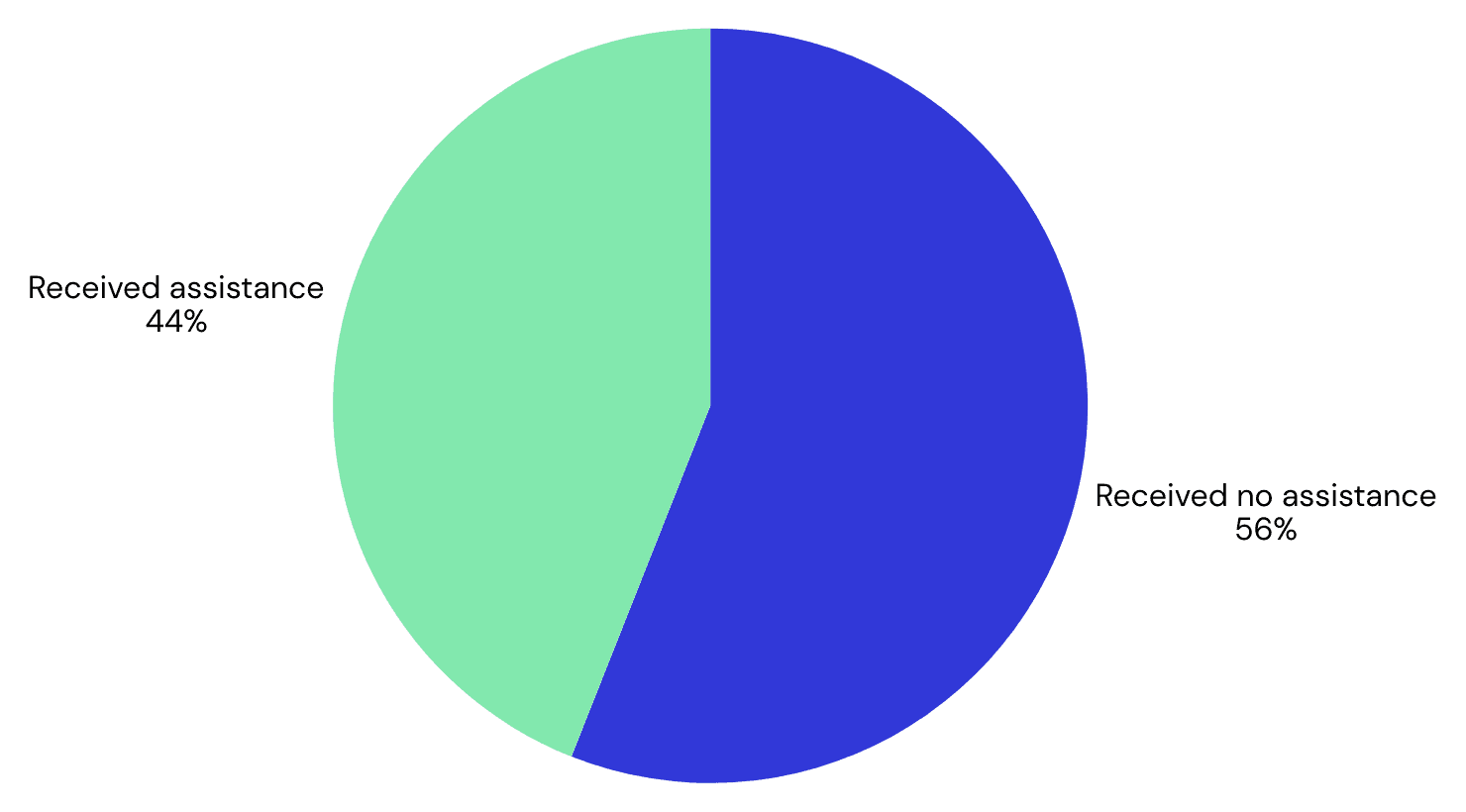
56% of people received NO help at all
Out of 1.3 million people, this amounts to approximately 728,000 people.
Market Analysis
Food insecurity had been address through initiatives but gaps still remained. Food for Change, OzHarvest, EndFoodWaste, and Food+ with Care all showed similar limitations and strengths
Scalable
Technology integration
Accessible
External collaboration
Triangulation
To validate patterns and highlight demographic differences in accessibility, affordability, and nutrition.
30
Questionnaire respondants currently experiencing living cost pressures and demand
12
Interviews from participants residing in rural, remote, or urban areas struggling with food
10
Online ethnography collects from social media posts on Quora, TikTok, X, Reddit, and Facebook
Sacrifice
Parties, dinners, and social events were sacrificed for financial budgeting
Awareness
Help schemes available are not utilised due to lack of awareness and social stigma
Population
Majority of the affected are University students who study fulltime
Values
Fourteen out of thirty respondants valued finding cheap but quality rich foods
Key takeaways
Households aren't getting enough access to affordable fresh produce. Staple goods become luxury items
Sustainable methods will lead to long-term scalability
Technology integration creates efficiency
Create accessible engagement with wider community for collaboration
analysis & synthesis
Reframing our focus to centre the people we are designing for
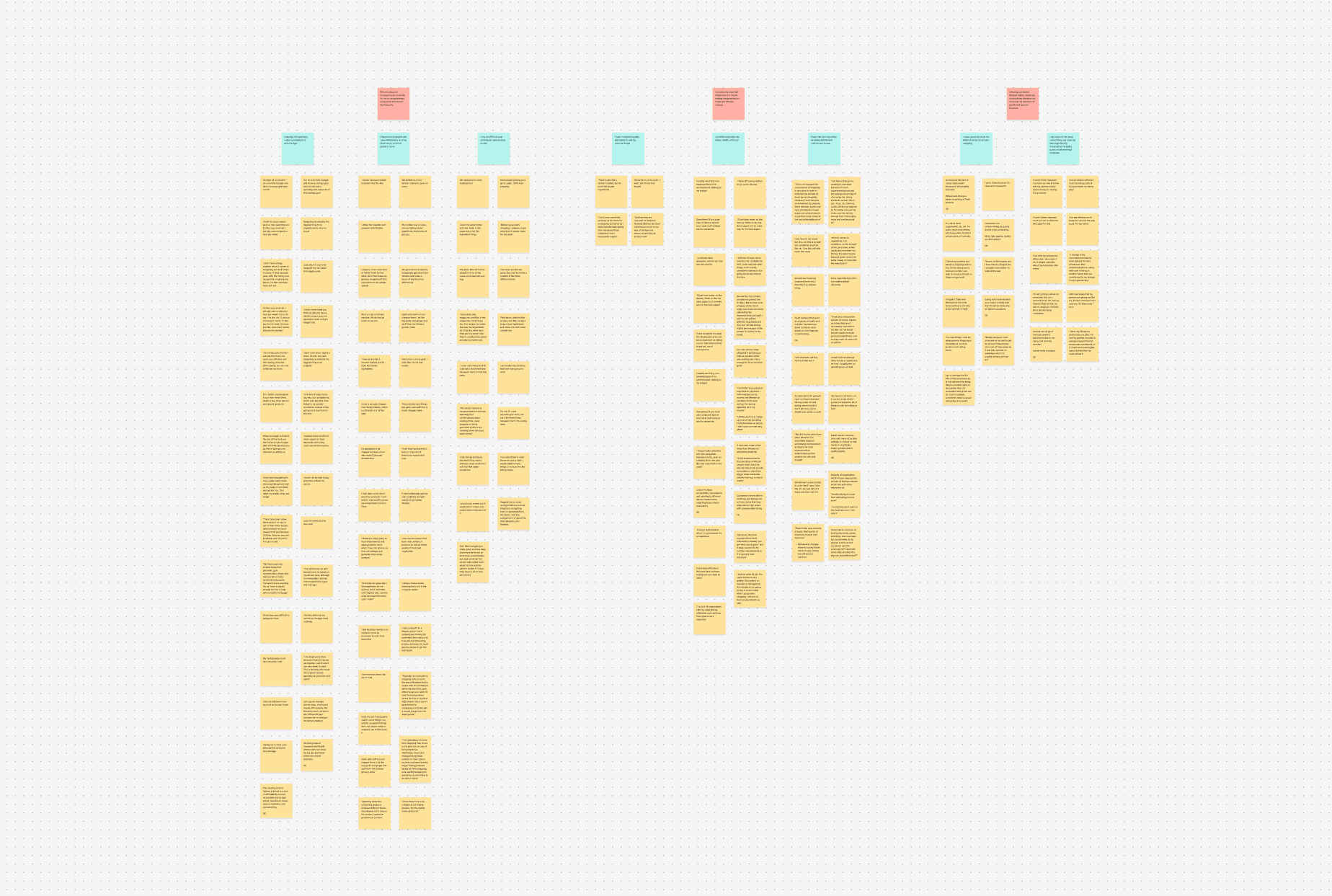
Three major themes emerged circulating around:
theme 01
Habit formation
Creating convenient routines reduces grocery and financial anxiety
theme 02
Priority Management
Focusing on essential needs over lifestyle preferences when necessary
theme 03
Resource Efficiency
Strategic resource management ensures food security amid rising costs
Pivot point
Research shifted focus from lower socio-economic renters to university students. University students showed greater financial instability (unemployment, Centrelink reliance, seasonal work) compared to renter with employment.
concepts
Using typical design frameworks is good…but only if you can validate them
Using the Pugh Decision Matrix model to determine which concept was strongest
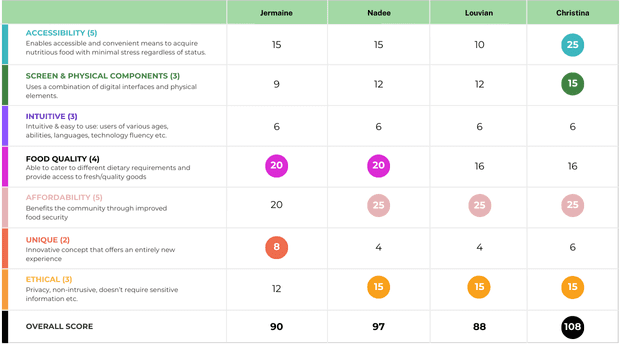
PUGH DECISION MATRIX
Help schemes focus on a donation-based charity model with volunteer-driven efforts. My team questioned this foundation.
What if there were no volunteers?
This critical question forced us to design a solution that is self sustaining and a model that functions independently without the need of mass volunteering efforts.
A lower-scoring concept revealed potential, not weakness
My team recognised that corporations generate massive food waste daily. Our strategic direction is to start locally with small businesses, solve the problem systematically, then scale impact.
To validate our strategic direction, we conducted online ethnography
"All this food waste through McDonald's across Japan for a $10 mass produced Pikachu promo, absolute insanity"
@okJLUV on X
"nah @StarbucksUK you should be ashamed of yourselves. In this big cost of living crisis we're in you're just throwing away food with complete disregard"
@MayaLege on X
"The amount of meat wasted, the plastic it's wrapped in, the disposable cups, the boxes everything comes in, disposable gloves, all of that to sell people (McDonald's) overpriced unhealthy food, to lazy people who can't cook"
@Accomplished-Emu-679 on Reddit
Extra online ethnography for validation
LEARNING
Assumptions and bias thinking don't lead to the right decisions

Although this refocus was a slight barrier in the design journey, it allowed my team to understand that design decisions need to be validated and justified with extensive research to ensure that our solutions will truly address the needs of those impacted.
Moving forward in the design, my team focused on:
Justifying every design decision
Testing assumptions
New problem statement
Students who rent in Sydney face ongoing challenges in accessing affordable and nutritious food due to financial strain, location burden, and inefficient food distribution systems, leading to rising food insecurity
dESIGN PRINCIPLES
Back to basics before fleshing out the concept
With lots of parts and ideas circulating around the design concept, it was easy to lose track of our focus
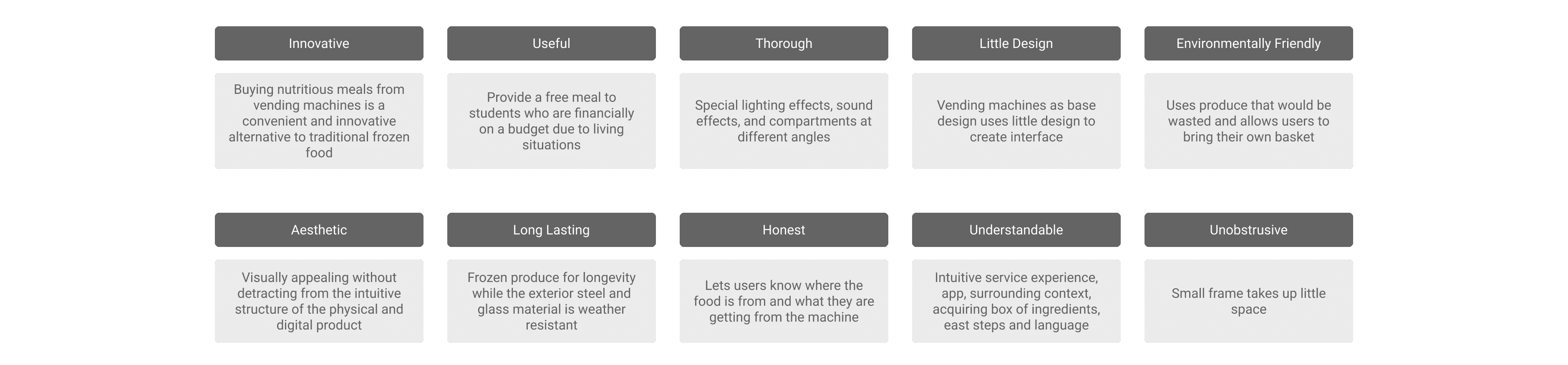
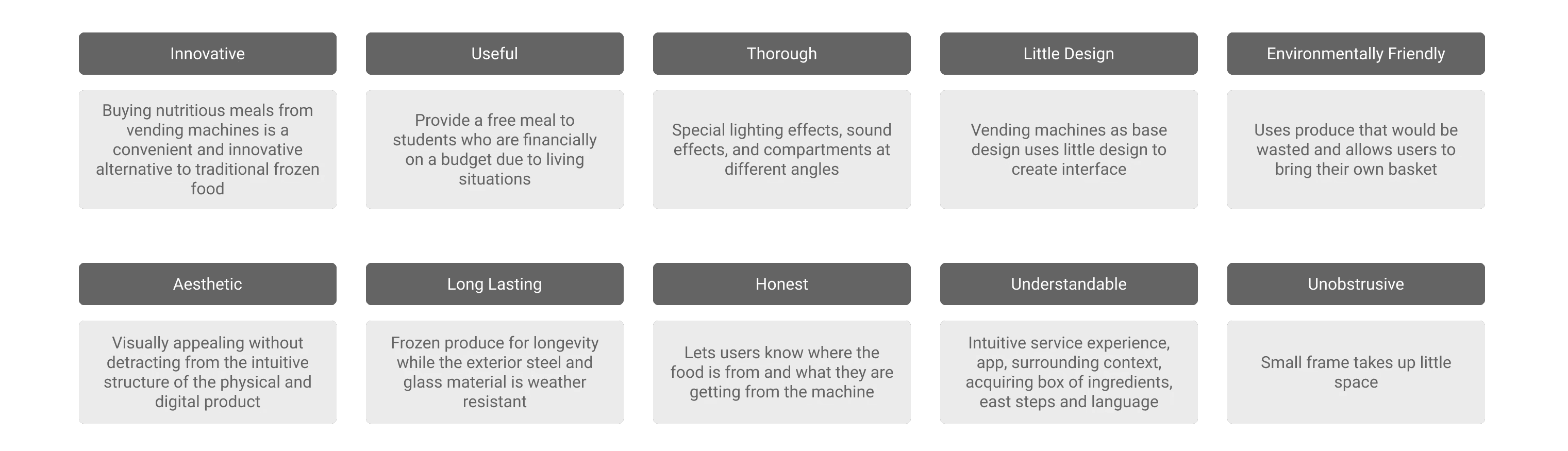
Dieter ram principles
This helped refine the approach and understand the goals of creating this product. This made sure that the vending machine solution wasn't just functional but meaningful, intuitive, and sustainable
the process
From research to sketches to deliverables. How we utilised each phase to strengthen the next
Step 1: Inspiration & Research
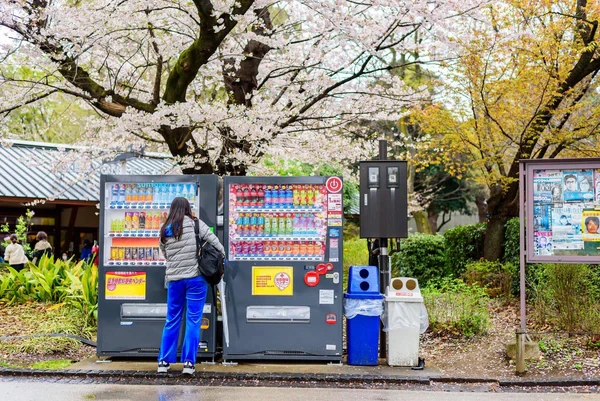
Traditional
Vending machines are nostalgic and offer a sturdy build
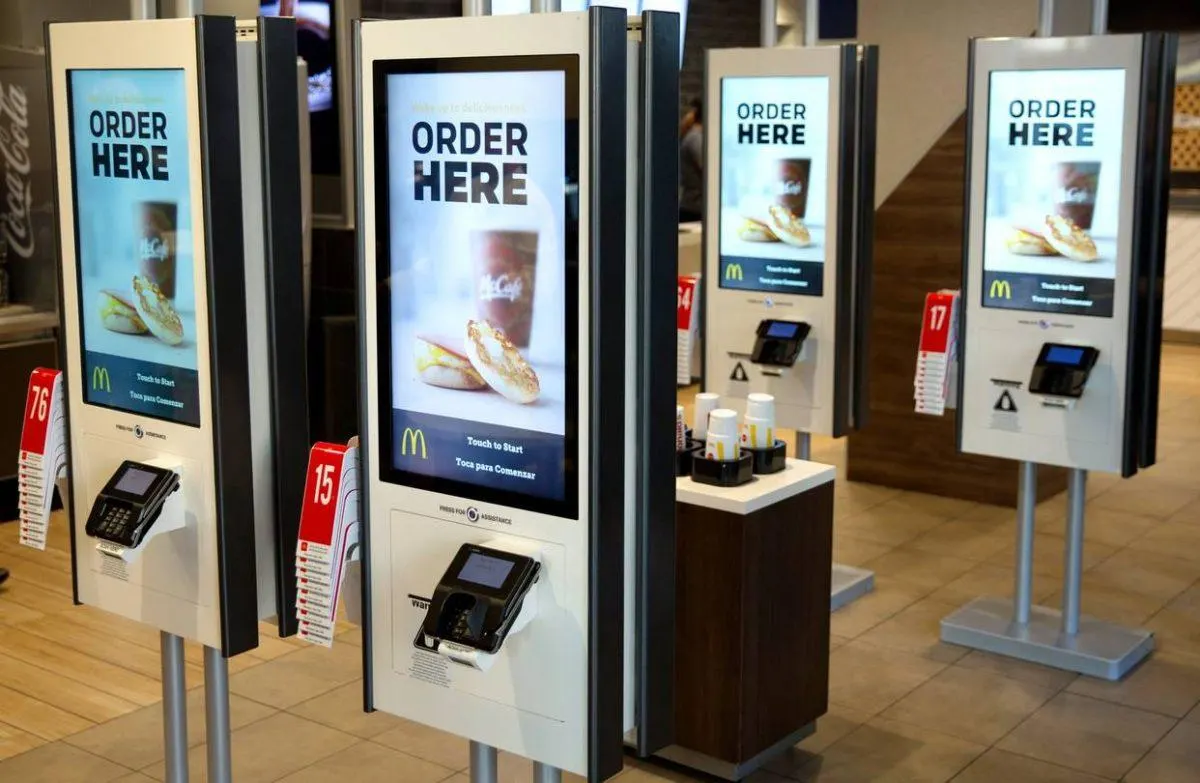
modern
McDonald's ordering kiosk for seamless user experience
Step 2: Key features extracted
App integration
A mobile app connects users directly to the machine, improving time efficiency by displaying real-time availability
Location
Machines were relocated from restaurant areas to university campuses to better align with on-the-go dining needs
Meal options
Set meal options replace full customisation, reducing decision fatigue while still offering variety
Step 3: Wireframing & System Design
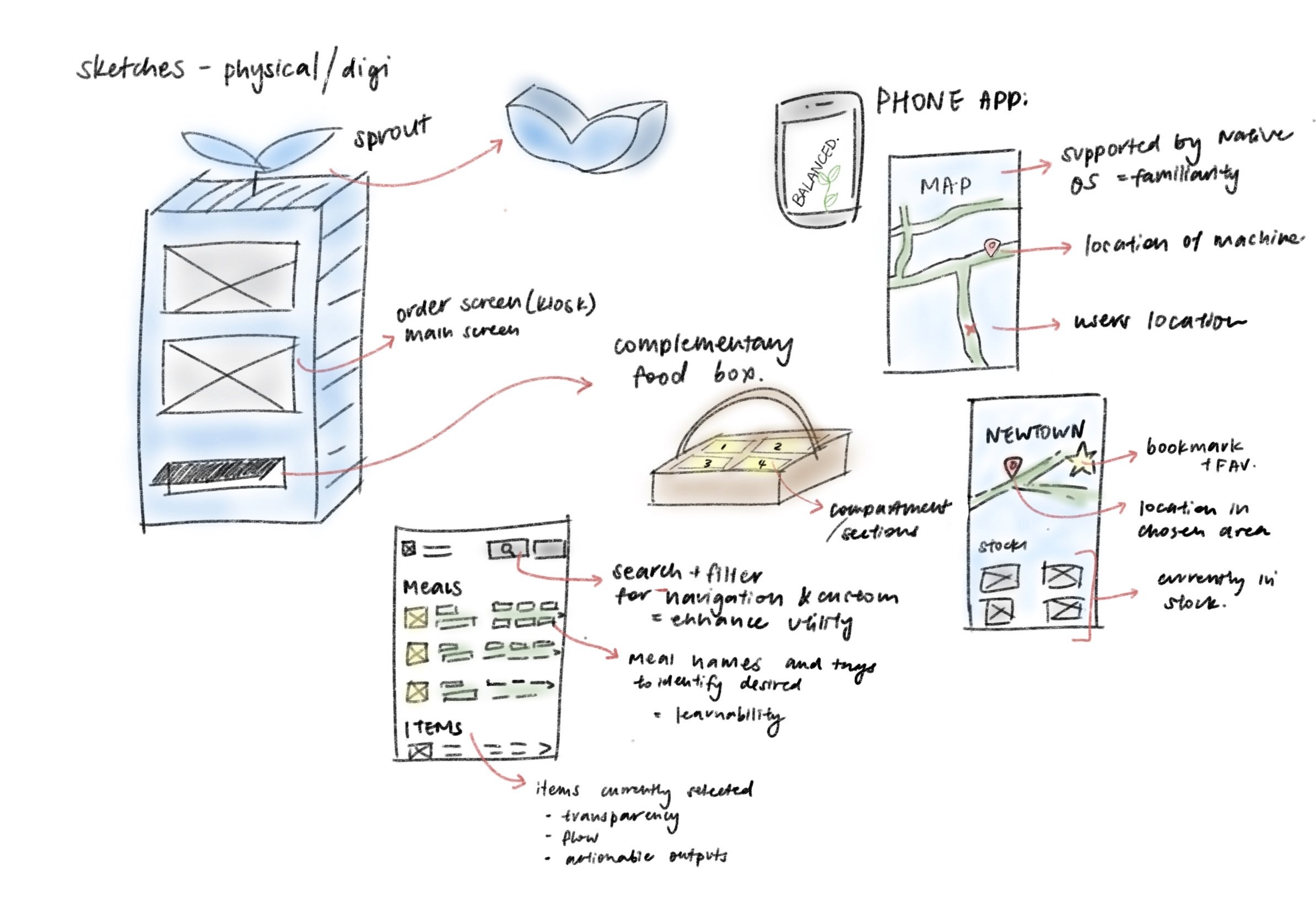
sKETCHES
Rough sketches mapping out the physical design and the phone application
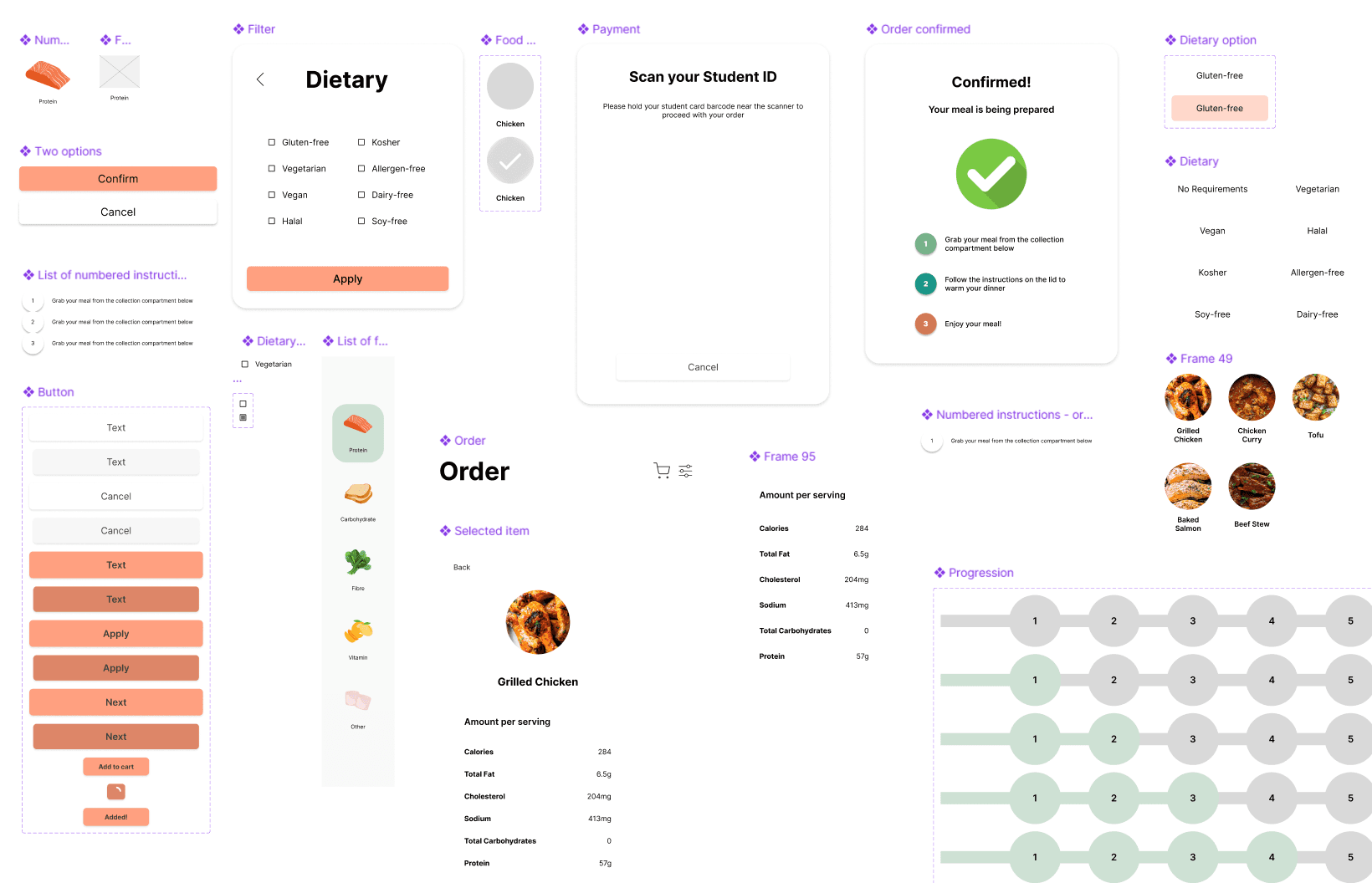
Design SYSTEM
Design system covering UI reusable components to ensure consistency across
Step 4: Mid-fidelity deliverables
Physical prototype
The kiosk screen as seen in the video which connects to the phone application
Video walkthrough
UI screens
Phone application
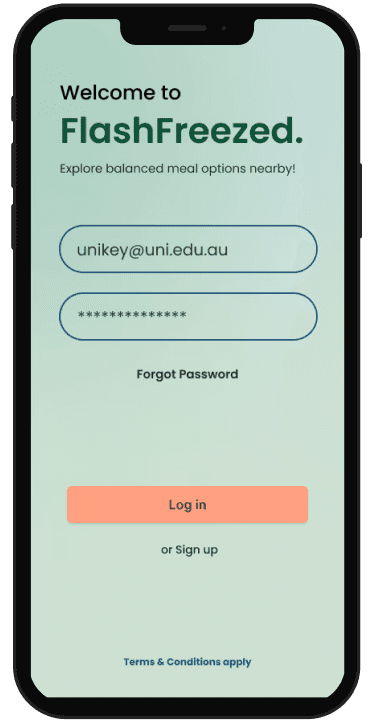
LOG-IN screen
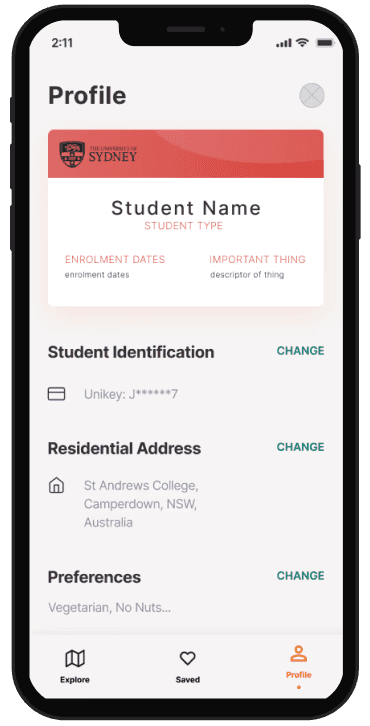
USER PROFILE
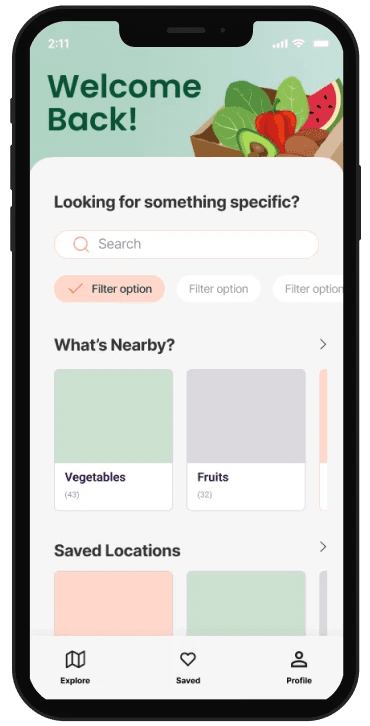
HOMEPAGE
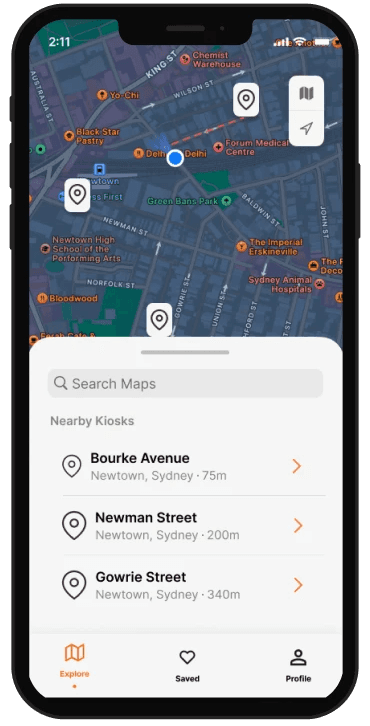
explore screen
Testing
Various features were tested through multiple methods to maximize the quality of feedback
Before finalising the design, my team conducted iterative user testing to understand what worked well, what didn't, and where students wanted more support
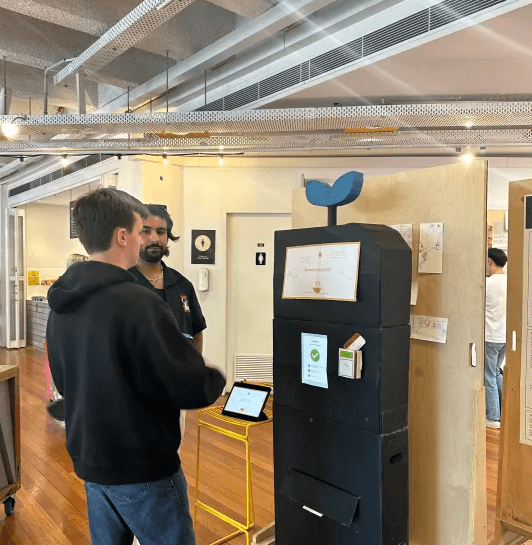
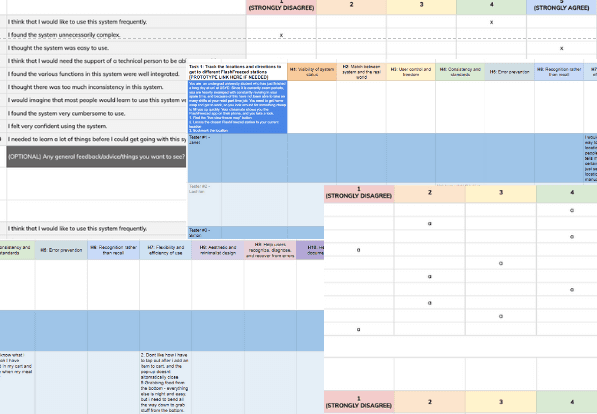
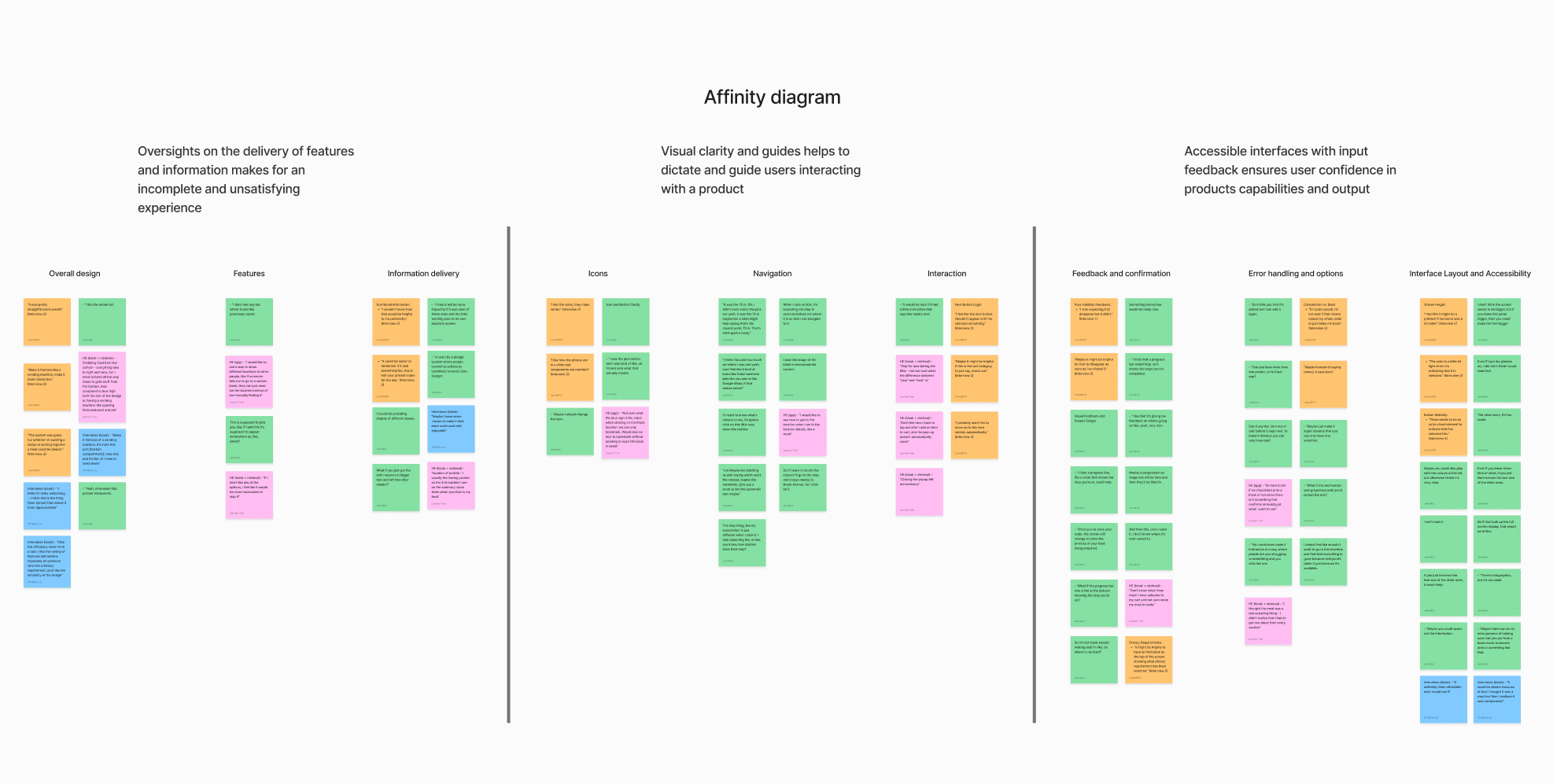
2 to 3 insights per feature
Three key findings emerged. Two validated the direction, but one revealed a critical gap.
✅
User Experience
A mobile app connects users directly to the machine, improving time efficiency by displaying real-time availability
✅
User Interface
Machines were relocated from restaurant areas to university campuses to better align with on-the-go dining needs
🚨
Missing features
Set meal options replace full customisation, reducing decision fatigue while still offering variety
Iterations
Testing broke our assumptions and made the design better
Testing revealed two critical issues. Each iteration addressed user feedback and refined the experience
Problem 1/2
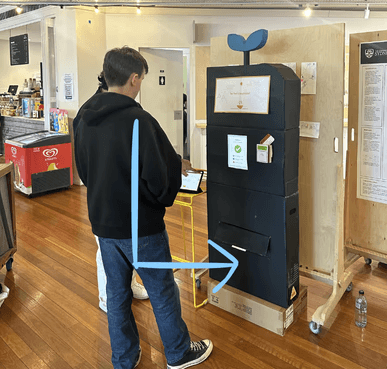
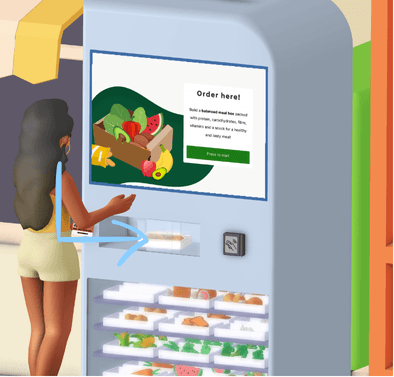
Physical Accessibility
The issue: Poor ergonomics created friction. Users had to bend down to reach their items, an unnecessary barrier to a quick transaction
Solution: Relocated the pickup window at a mid-chest height, eliminating the need to bend down and ultimately makes the experience faster and more intuitive
BEFORE
AFTER
Problem 2/2
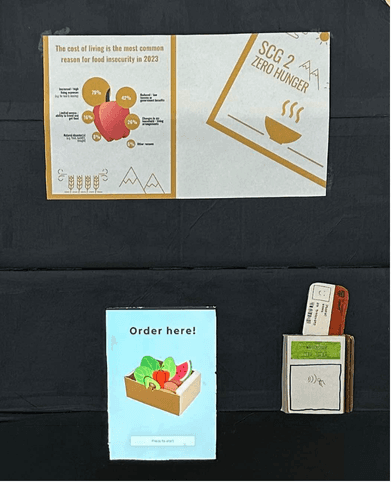
Information Transparency
The issue: No visibility into product availability. Students approached the machine without knowing if their preferred items were in stock, leading to frustration
Solution: Transparent product window and integrated real-time inventory updates through the mobile app. Students now know exactly what's available before they approach the machine. Reduces decision friction and time.
BEFORE
AFTER
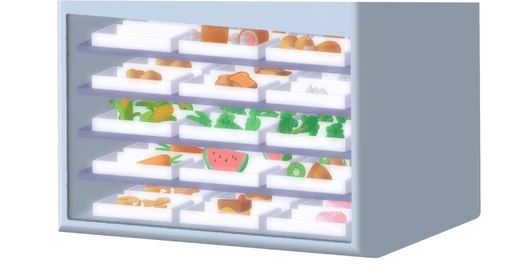
high-fidelity
Learning spline was a learning curve but it was worth it.
The high-fidelity was created on Spline to allow for real-time collaboration on a 3D modelling software.
Physical Machine
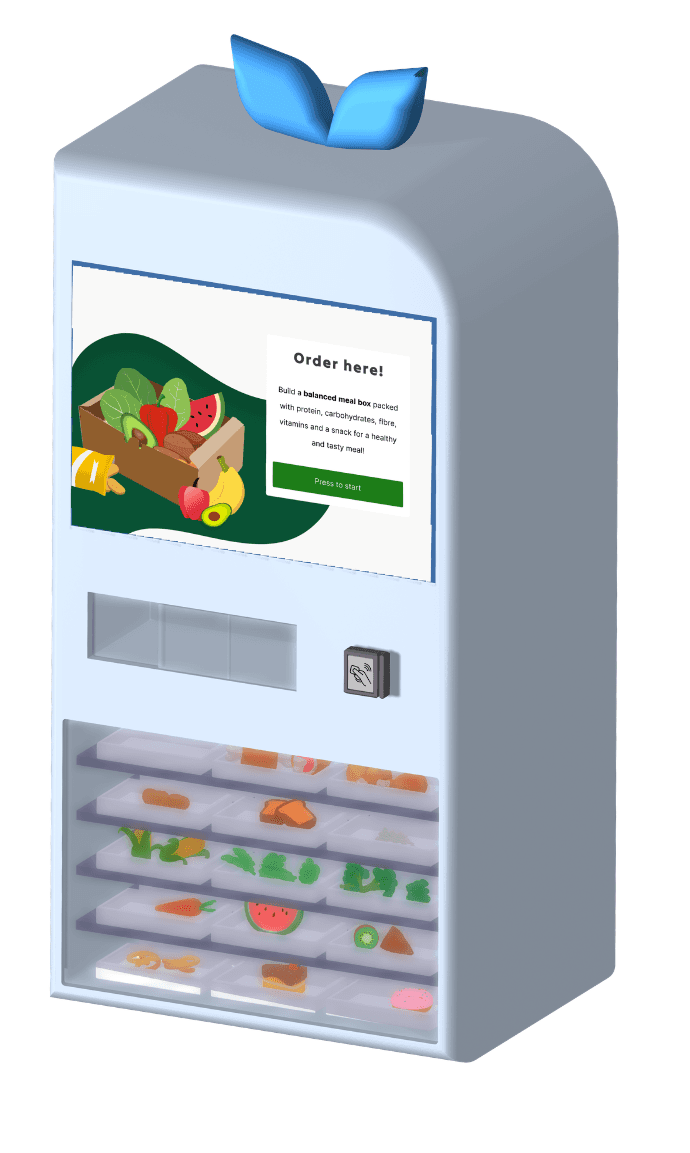
A self-serve kiosk placed in high-traffic campus spaces and easily ordered on the go
Product Breakdown
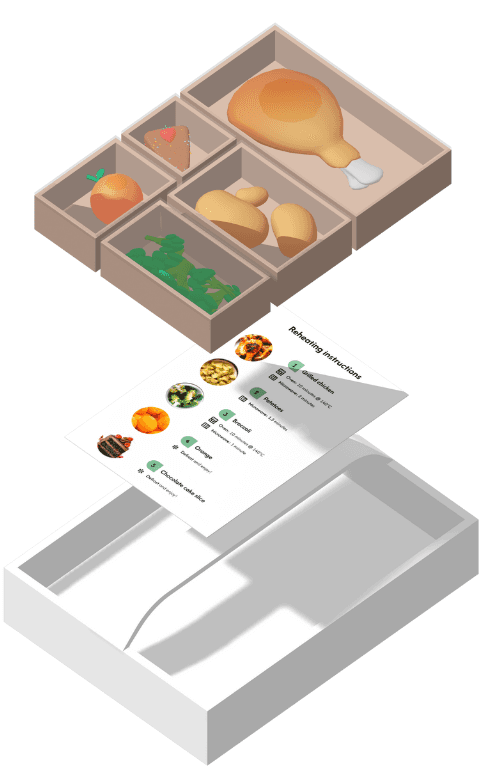
Each meal tray is portioned and packaged with reheating instructions
Kiosk Screen
Mobile Application
DEMONSTRATION
Now that Balanced has been created, how do we use it in the real world?
Putting all the core functionalities togehter is what makes the solution so meaningful. In order to maximise its impact and usability, there are steps to ensure a seamless user experience
Step 1: Phone Application
Use the phone application as a map to navigate towards vending machines closest from your current location or to find specific stock
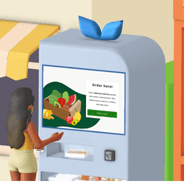
Step 2: Physical Machine
After navigation, spot the physical vending machine on the streets or next to libraries and classes, all within the vincinity of University campus grounds. Locating it should be easy, as the blue sprout will illuminate brightly
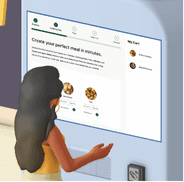
Step 3: Kiosk Screen
Start ordering from the vending machine by interacting with the digital screen kiosk. Menu options are divided between different nutrient categories, making ordering easy and convenient
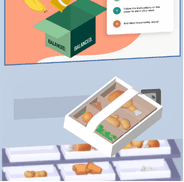
Step 4: Takeout box
Each order comes prepared in a takeout box, and is cooked, cut and chopped up before-hand by the volunteering restaurants. This makes meals faster and easier to cook for University students. Just follow the reheating instructions provided in the box and you're good to go!
finale
Video render
recognition
Featured at the Graduate Fair Show
My team were the few groups selected within the entire cohort to present at the annual USYD graduate fair!
You can see more here.